
The Importance of Pest Management and How Fuel Supply Chains Supports It 

There are strict requirements for sanitation and operational safety in fuel distribution, transport, warehouses, and worker accommodation. Although logistics, storage, and energy efficiency are more commonly discussed in fuel industries, there is one aspect that is less talked about – pest infestations. In today’s era, numerous companies are investing in professional bed bug treatment services in New York City and other pest management solutions. That is to ensure the safety of the facilities, staff, and continuity of operations.

Pests can wreak havoc on industries that rely on fuel in unexpected ways. Rodents can cause electrical problems and damage storage facilities. Insects can infest supply areas, while bed bugs can pose health issues and reputation threats in worker housing or in transit facilities. With the increasing interdependence and mobility of industries, pest management is an integral part of facility management and safety in the workplace.

Why Industrial Facilities Attract Pests

Pests can naturally thrive in fuel facilities and transportation centers. Infestations can be a problem because of large storage areas, concealed corners, varying temperatures, and lots of employee traffic.

Common industrial pests are:

  • Rodents
  • Cockroaches
  • Ants
  • Flies
  • Mosquitoes
  • Bed bugs

Truck stops, employee dorms, temporary worker housing, and transit accommodations are especially susceptible to bed bug infestations. This is due to workers who are likely to move from city to city and facility to facility.

Infestations, no matter how small, can cause significant problems. Rodents may gnaw through insulation and electrical wires, which can add to fire hazards. Insects can infest food storage rooms or employee break rooms, and bed bugs can have a negative impact on employee comfort and morale.

Growing Bed Bug Challenges in Urban Operations

Bed Bugs are a problem in big cities where people travel frequently. New York City is still one of the world’s most active transportation and commerce hubs. With that, infestations can be hard to control when they are introduced into hotels, apartments, and employee housing areas.
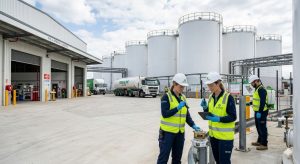
Large industrial fuel storage facility with workers conducting eco-friendly pest inspection

Workers are temporarily assigned to a site that is near a terminal, refinery, or logistics hub for companies in the transportation and fuel industry. Bed Bugs can spread quickly between premises without adequate preventative measures, using luggage, uniforms, and personal belongings.

Bed Bugs can be identified by:

1-Small Bite Clusters

The bites of bed bugs are usually grouped or in a straight line, particularly after sleeping.

2-Dark Mattress Stains

Infestation activity may be suggested by small dark spots on bedding or furniture.

3-Shed Skins and Eggs

One can see Bed Bugs’ shells and eggshells in mattress seams and furniture holes.

4-Musty Odors

The infestation may sometimes be accompanied by strange, sweet, or musty aromas at times of severe infestation.

Pesticide Management Approaches

In the modern approach towards pest management, prevention is given much more importance than merely reactive measures. Regular inspection and maintenance programs are best for industrial facilities.

1-Facility Sanitation

Maintaining clean storage areas helps to minimize pest food and water sources. Waste should be collected on a regular basis and kept safely.

2-Scheduled Monitoring

Regular inspections can detect issues before they have spread and are costly to deal with.

3-Employee Awareness Programs

When workers are aware of warning signs, they can alert them to the problem before it becomes part of the operational picture.

4-Moving Around and Spreading Pests

Transportation infrastructure is a vital component of the fuel industry. Opportunities for pests to spread among regions are provided when trucks, ships, rail systems, and temporary lodging are all present. Bed bugs are very adaptable travelers, especially. They are difficult to detect while being transported, hiding inside luggage, seats, bedding, and storage containers.

Pests may be accidentally carried by long-haul workers and travelling crews from site to site. As a result, there are now many businesses that have preventive inspection programs for worker accommodations and fleet environments. Pest-free transport systems ensure that employees are safe and their operational reputation is intact.

Waterproofing: A Sustainable Mode of Pest Control

More directed and sustainable methods are replacing traditional, large-scale chemical treatments. The Integrated Pest Management (IPM) program is an amalgamation of several environmentally sensitive approaches:

  • Preventive maintenance
  • Sanitation improvements
  • Monitoring systems
  • Limited and targeted treatment applications
  • Structural modifications

It’s a strategy that results in long-term pest control with reduced environmental impact.

Sustainable pest management helps industry and fuel use facilities meet regulatory requirements and/or public safety goals.

Additionally, you can read, “Sustainable Biofuels For A Cleaner Environment.”

End Notes

Pest management is now a key component of safe and effective operations in industry. If left uncontrolled, infestations can be a problem in transportation and fuel-related industries involving infrastructure, employee health, and continuity of operations. Preventive maintenance, environmental responsibility, and professional treatment strategies can help to minimize risk and promote a healthier work environment and sustainable operation. With the continuous advancement of the industries, proactive pest control will continue to be a good investment for the safety and reliability of the industries.

Fueling Security: How VPNs Protect Digital Insights in the Fuel Industry

fuel industry

The fuel industry is more digital than ever. From tracking fuel prices and managing supply chains to discussing industry trends and regulatory updates, online platforms have become essential tools for professionals and enthusiasts alike. Amid this digital evolution, ensuring that sensitive information remains secure is crucial. This is where Virtual Private Networks (VPNs) come into play. Check out the best VPNs Reddit.

VPNs, or Virtual Private Networks, are a technology designed to enhance online privacy and security. By encrypting your internet connection and masking your IP address, VPNs help protect your personal and business data from unauthorized access. As the fuel industry increasingly relies on digital tools and platforms, integrating VPNs into your cybersecurity strategy can offer significant benefits.

Why VPNs Are Vital for the Fuel Industry

  1. Protecting Sensitive Data

The fuel industry handles many sensitive information, including pricing data, supply chain details, and regulatory compliance documents. This information is often exchanged through online platforms and emails, making it vulnerable to cyberattacks. VPNs encrypt this data, ensuring that it remains unreadable to unauthorized parties even if it is intercepted. This encryption protects trade secrets, financial transactions, and proprietary data.

  1. Securing Remote Access

With the rise of remote work and mobile management, fuel industry professionals frequently access critical systems from various locations. Whether it’s a field engineer checking data from a remote site or an executive accessing confidential reports from a coffee shop, VPNs ensure that these connections are secure. By routing data through a private server, VPNs provide a secure channel for accessing company resources, reducing the risk of data breaches.

  1. Safeguarding Industry Communications

Online forums, industry blogs, and email communications are essential for discussing fuel trends, regulatory changes, and market analyses. However, cybercriminals can target these communications to exploit sensitive information. VPNs offer a layer of protection by masking your IP address and encrypting your internet traffic, thus keeping your discussions and online interactions private.

  1. Accessing Restricted Resources

The fuel industry frequently encounters data and resources that are limited to certain regions. For instance, regulatory changes or market analysis may be accessible only within specific geographic areas. VPNs help users overcome these limitations by hiding their IP addresses, making it seem like they are browsing from a different location. This capability is especially valuable for gaining access to international market intelligence or industry-specific information that may otherwise be unavailable.

How VPNs Benefit Fuel Industry Professionals

  1. Enhanced Data Security

For professionals in the fuel industry, maintaining the confidentiality of data is paramount. VPNs offer a robust solution by encrypting data transmitted over the internet. This encryption helps protect against various cyber threats, including man-in-the-middle attacks and data sniffing, which are particularly relevant in an industry where data breaches can have significant financial and reputational consequences.

  1. Safe Transactions

Fuel transactions, whether they involve purchasing fuel, negotiating contracts, or managing financial transactions, often require exchanging sensitive information. VPNs secure these transactions by encrypting data and ensuring that it is transmitted through a secure channel. This reduces the risk of fraud and financial theft, safeguarding both individual and business interests.

  1. Improved Privacy

The fuel industry is subject to extensive regulation and scrutiny. VPNs enhance privacy by preventing unauthorized tracking of your online activities. This is particularly important when conducting market research or accessing competitive intelligence, as it helps avoid potential leaks of sensitive information.

  1. Protection Against Surveillance

Government and corporate surveillance can concern fuel industry professionals, especially when dealing with sensitive or controversial topics. VPNs help shield your online activities from surveillance by encrypting your internet traffic and masking your IP address. This ensures that your online actions remain private, even in a highly regulated industry.

Choosing the Right VPN for the Fuel Industry

When selecting a VPN for use in the fuel industry, consider the following factors:

  1. Encryption Protocols: Choose a VPN that uses robust encryption, like AES-256, to guarantee maximum security for your data.
  2. Server Locations: Choose a VPN with a wide range of server locations to ensure access to global resources and bypass regional restrictions.
  3. Speed and Performance: The VPN should offer high-speed connections to avoid disruptions when accessing or transmitting data.
  4. Reliability and Support: Opt for a VPN provider with a good reputation for reliability and customer support to address any issues that may arise.
  5. Compatibility: Ensure that the VPN is compatible with the devices and systems used in your industry to facilitate seamless integration.

READ ALSO: 5 Ways Free Overseas Broadcasting Platforms Are Revolutionizing Global Fandom Without Increasing Fuel Consumption

Conclusion

Integrating VPN technology can significantly enhance data security, privacy, and overall operational efficiency in an industry as crucial and data-intensive as fuel. VPNs provide a vital layer of protection in the digital age by encrypting internet connections, securing remote access, and protecting sensitive communications. As the fuel industry continues to evolve and embrace digital solutions, VPNs will play an increasingly important role in safeguarding valuable information and ensuring secure online interactions.

𐌢