
The Importance of Pest Management and How Fuel Supply Chains Supports It
There are strict requirements for sanitation and operational safety in fuel distribution, transport, warehouses, and worker accommodation. Although logistics, storage, and energy efficiency are more commonly discussed in fuel industries, there is one aspect that is less talked about – pest infestations. In today’s era, numerous companies are investing in professional bed bug treatment services in New York City and other pest management solutions. That is to ensure the safety of the facilities, staff, and continuity of operations.
Pests can wreak havoc on industries that rely on fuel in unexpected ways. Rodents can cause electrical problems and damage storage facilities. Insects can infest supply areas, while bed bugs can pose health issues and reputation threats in worker housing or in transit facilities. With the increasing interdependence and mobility of industries, pest management is an integral part of facility management and safety in the workplace.
Why Industrial Facilities Attract Pests
Pests can naturally thrive in fuel facilities and transportation centers. Infestations can be a problem because of large storage areas, concealed corners, varying temperatures, and lots of employee traffic.
Common industrial pests are:
- Rodents
- Cockroaches
- Ants
- Flies
- Mosquitoes
- Bed bugs
Truck stops, employee dorms, temporary worker housing, and transit accommodations are especially susceptible to bed bug infestations. This is due to workers who are likely to move from city to city and facility to facility.
Infestations, no matter how small, can cause significant problems. Rodents may gnaw through insulation and electrical wires, which can add to fire hazards. Insects can infest food storage rooms or employee break rooms, and bed bugs can have a negative impact on employee comfort and morale.
Growing Bed Bug Challenges in Urban Operations
Bed Bugs are a problem in big cities where people travel frequently. New York City is still one of the world’s most active transportation and commerce hubs. With that, infestations can be hard to control when they are introduced into hotels, apartments, and employee housing areas.
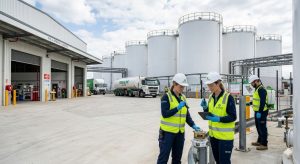
Workers are temporarily assigned to a site that is near a terminal, refinery, or logistics hub for companies in the transportation and fuel industry. Bed Bugs can spread quickly between premises without adequate preventative measures, using luggage, uniforms, and personal belongings.
Bed Bugs can be identified by:
1-Small Bite Clusters
The bites of bed bugs are usually grouped or in a straight line, particularly after sleeping.
2-Dark Mattress Stains
Infestation activity may be suggested by small dark spots on bedding or furniture.
3-Shed Skins and Eggs
One can see Bed Bugs’ shells and eggshells in mattress seams and furniture holes.
4-Musty Odors
The infestation may sometimes be accompanied by strange, sweet, or musty aromas at times of severe infestation.
Pesticide Management Approaches
In the modern approach towards pest management, prevention is given much more importance than merely reactive measures. Regular inspection and maintenance programs are best for industrial facilities.
1-Facility Sanitation
Maintaining clean storage areas helps to minimize pest food and water sources. Waste should be collected on a regular basis and kept safely.
2-Scheduled Monitoring
Regular inspections can detect issues before they have spread and are costly to deal with.
3-Employee Awareness Programs
When workers are aware of warning signs, they can alert them to the problem before it becomes part of the operational picture.
4-Moving Around and Spreading Pests
Transportation infrastructure is a vital component of the fuel industry. Opportunities for pests to spread among regions are provided when trucks, ships, rail systems, and temporary lodging are all present. Bed bugs are very adaptable travelers, especially. They are difficult to detect while being transported, hiding inside luggage, seats, bedding, and storage containers.
Pests may be accidentally carried by long-haul workers and travelling crews from site to site. As a result, there are now many businesses that have preventive inspection programs for worker accommodations and fleet environments. Pest-free transport systems ensure that employees are safe and their operational reputation is intact.
Waterproofing: A Sustainable Mode of Pest Control
More directed and sustainable methods are replacing traditional, large-scale chemical treatments. The Integrated Pest Management (IPM) program is an amalgamation of several environmentally sensitive approaches:
- Preventive maintenance
- Sanitation improvements
- Monitoring systems
- Limited and targeted treatment applications
- Structural modifications
It’s a strategy that results in long-term pest control with reduced environmental impact.
Sustainable pest management helps industry and fuel use facilities meet regulatory requirements and/or public safety goals.
Additionally, you can read, “Sustainable Biofuels For A Cleaner Environment.”
End Notes
Pest management is now a key component of safe and effective operations in industry. If left uncontrolled, infestations can be a problem in transportation and fuel-related industries involving infrastructure, employee health, and continuity of operations. Preventive maintenance, environmental responsibility, and professional treatment strategies can help to minimize risk and promote a healthier work environment and sustainable operation. With the continuous advancement of the industries, proactive pest control will continue to be a good investment for the safety and reliability of the industries.